Access problems for Finchley waste removal on narrow streets
Posted on 07/10/2026

If you live or work on a tight Finchley street, you already know the feeling: bins tucked between cars, a van that looks a bit too wide for comfort, and a collection point that is just awkward enough to slow everything down. Access problems for Finchley waste removal on narrow streets are more common than many people expect, and they affect everything from simple household clear-outs to bulky rubbish collections and builder's waste. The good news is that most access issues can be handled well with a bit of planning, clear communication, and the right service setup.
This guide breaks down what causes access issues, how collections are usually managed, what to check before booking, and which mistakes tend to create avoidable delays. If you have ever stood at the end of a terrace and thought, "How on earth is a truck meant to get in here?" - you are in the right place.
Why Access problems for Finchley waste removal on narrow streets Matters
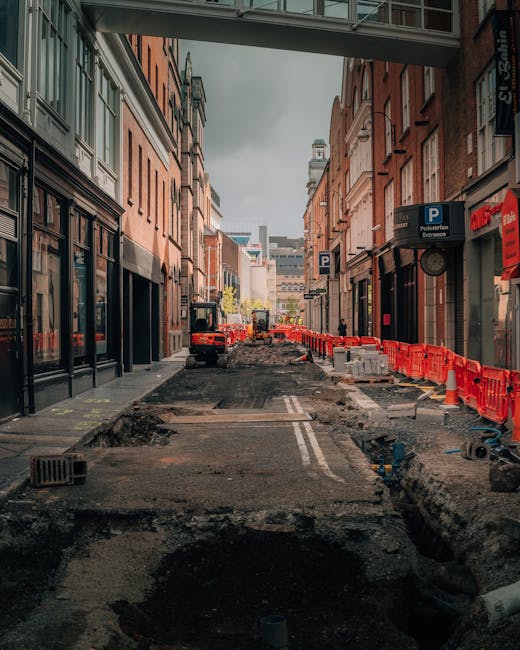
Narrow access sounds like a small issue until collection day turns up and suddenly it is the whole job. In parts of Finchley, especially where roads are lined with terraced houses, parked cars, low kerbs, shared driveways, or sharp turns, a waste team may not be able to park directly outside a property. That can change the method, timing, price, and amount of labour needed.
Why does that matter to you? Because access affects three things at once: safety, speed, and cost. A crew that can reach the waste quickly can work more efficiently. A crew that has to carry bags, awkward furniture, or demolition debris a longer distance will need more time and may need extra hands. And if nobody has checked the access properly beforehand, the job can stall. Nobody wants a van sitting half-on, half-off the road while neighbours peer through the curtains. Slightly awkward, to put it mildly.
It also matters because narrow-street jobs are often where misunderstandings happen. One person assumes a small van can get through; another assumes the waste will be taken from the front garden; someone else thought the skip would go on the road. When expectations are not aligned, delays follow. In practical terms, that can mean extra charges, a return visit, or a collection that only gets partly completed.
For households, landlords, builders, and small businesses in Finchley, understanding access limits early saves stress. It also helps you choose the right type of removal service in the first place, rather than forcing the wrong one to fit. That is the real win.
How Access problems for Finchley waste removal on narrow streets Works
In simple terms, waste removal on a narrow street is about matching the collection method to the space available. A provider will usually look at how close a vehicle can get, whether waste can be safely carried by hand, whether there is legal parking nearby, and whether any items need dismantling before removal.
Here is the typical process. First, you explain the access conditions as clearly as you can. Then the team assesses whether a standard van, a smaller vehicle, or a manual carry-out is the best option. On arrival, they may do a quick visual check before starting. If the road is too tight, they will often park in the nearest practical position and move waste in stages. That might sound simple, but the difference between "near enough" and "actually workable" can be a few metres and one very annoying bollard.
There is a useful distinction to make here. Access problem does not always mean impossible access. Sometimes it just means a slower collection method. For example:
- A bulky sofa may need to be carried through a narrow hallway and out through a side path.
- Mixed builder's waste may need to be loaded by hand into a smaller vehicle.
- Garden waste from a rear terrace may require a clear route through the property.
- House clearance items may need to be sorted so the heaviest pieces come out first.
The practical question is not "Can a lorry fit?" but "What is the safest and quickest way to remove the waste from this specific property?" That change in thinking makes all the difference.
Most of the time, the collection method depends on three factors:
- Width and turning space - can a vehicle enter or turn without blocking traffic?
- Load-bearing access - can a crew carry items from the property to the vehicle safely?
- Obstructions - parked cars, low trees, tight corners, steps, and uneven surfaces.
Where access is very limited, a good provider will usually recommend a smaller load, more labour, or a staged clearance rather than pretending the job will be easy. That honesty is valuable. It saves everyone time.
Key Benefits and Practical Advantages
Planning for access problems properly brings a few clear advantages, and they are not just operational niceties. They directly improve the experience of the job.
- Fewer delays: When the access route is known in advance, the crew can arrive with the right vehicle and enough staff.
- Better safety: Narrow streets leave less room for mistakes, so careful planning reduces the risk of collisions, trips, and awkward lifting.
- More accurate quoting: A clear description of access often leads to a more realistic price, rather than a "surprise" adjustment later.
- Cleaner results: Waste is removed in one coordinated move instead of being shuffled around the site multiple times.
- Less disruption to neighbours: Quicker loading and fewer vehicle manoeuvres help keep the street calmer.
There is also a quieter benefit: peace of mind. If you have ever arranged a clearance while juggling work calls, school runs, or a last-minute tenancy deadline, you will know how reassuring it is when the logistics are already thought through. You want one less thing to chase.
Another advantage is that narrow-street planning can make recycling and sorting easier. When items are separated in advance, the crew can load more efficiently and direct reusable or recyclable materials into the right stream. That matters for domestic clear-outs and for trade waste alike.
In short, good access planning is not just about "making it fit". It is about making the job smoother, safer, and less expensive to run.
Who This Is For and When It Makes Sense
This topic matters to more people than you might think. It is not only for people on tiny side streets or compact terraces. Access problems can affect anyone whose property sits on a road with tight parking, a pinch-point entrance, a shared driveway, or limited turning space.
It makes sense if you are:
- a homeowner clearing old furniture or household clutter;
- a tenant moving out of a flat with awkward stair access;
- a landlord arranging clearance between tenancies;
- a builder or tradesperson dealing with rubble, timber, plasterboard, or packaging;
- a small business with waste stored behind a shop, office, or clinic;
- someone arranging garden, garage, or loft clearance where access is tighter than it first looks.
It is also especially relevant if your property is in an older part of Finchley where the street layout was never designed around modern vans and delivery traffic. That is simply life in many London neighbourhoods. Roads evolve, cars get bigger, and access gets a bit fiddly.
Ask yourself a few honest questions. Can a vehicle stop safely outside? Is there room to load without blocking the whole lane? Will items need to be passed through a house, down steps, or around a corner? If the answer to any of those is "possibly not," then access planning matters.
And yes, sometimes it is less about the street itself and more about what is on the street that day. School traffic, bin collections, neighbours' cars, roadworks, and delivery vans can change a workable route into a headache pretty quickly. That's the bit people forget.
Step-by-Step Guidance
If you want the smoothest possible experience, use a structured approach. It does not need to be complicated. Just thorough.
1. Measure the practical route, not just the postcode
Look at the route from the waste area to the road. Check gates, steps, narrow hallways, side passages, and any sharp turns. A route that looks fine on a phone screen can feel very different with a sofa in your hands.
2. Identify any blocking points
Parked cars, low branches, bins, fences, and building materials can all cause delays. If you can move obstacles in advance, do it. If not, mention them clearly when you book.
3. Be precise about what is being removed
Different items create different handling needs. A fridge, a bath, a bagged clear-out, and a pile of rubble are not interchangeable. Weight, shape, and breakability all matter.
4. Say whether the waste is front, rear, or upper-floor access
This sounds basic, but it helps a lot. A front-drive collection is very different from a third-floor flat with no lift. The more specific you are, the better the planning will be.
5. Ask what vehicle or crew size is likely
Some jobs need only a small vehicle and one or two people. Others need a larger team or more than one lift. A provider should be able to explain the likely setup in plain English.
6. Agree the collection window carefully
If access is tight, timing matters. Early morning may avoid congestion. Midday might be busy. Evening can be inconvenient for neighbours. A sensible window reduces the chance of the van being forced to wait in traffic or double-park awkwardly.
7. Prepare the waste before arrival
Where safe and practical, group items together so they can be loaded efficiently. If anything needs to be dismantled, do that beforehand or ask whether the crew can assist.
8. Keep communication open on the day
Sometimes the street changes between booking and arrival. A delivery truck may be in the way, or a neighbour may have parked across part of the route. A quick message or call can save a lot of time.
Expert summary: The best narrow-street collections are rarely the most dramatic ones. They are the well-prepared ones. Clear access notes, honest expectations, and a calm loading plan tend to win every time.
Expert Tips for Better Results
In our experience, the jobs that run best usually have a few things in common. Nothing flashy. Just good habits.
- Take photos of the access route. A couple of clear pictures of gates, steps, side alleys, or parking constraints can be more useful than a long explanation.
- Think in metres, not assumptions. A van may be close enough to the property, but if the carry is long and awkward, labour needs will change.
- Separate heavy items from loose rubbish. If rubble, soil, or appliances are mixed with lightweight items, loading becomes slower and sometimes less safe.
- Check for temporary restrictions. Roadworks, suspended bays, and event parking changes can turn an ordinary street into a tight squeeze.
- Consider dismantling where sensible. A wardrobe in sections is much easier to move than a complete one. Same goes for garden furniture and some office items.
- Leave a clear loading zone if you can. Even a small gap near a front door or gate can make the difference between a tidy pickup and a messy one.
A slightly old-school tip, but still useful: if you are expecting a crew in winter or on a wet day, make sure the route is not slippery. Wet leaves, moss, or muddy paving can make carrying heavy items more difficult. Simple thing, but easy to miss.
Also, do not assume the cheapest quote is the best if access is difficult. A low quote that ignores the real carrying distance or parking challenge can become frustrating very quickly. Truth be told, a realistic quote is often the more helpful one.
If you are comparing services, it can help to look at related pages such as pricing and quotes, insurance and safety, and the services overview so you can understand how access affects the wider job.
Common Mistakes to Avoid
Narrow-street collections are forgiving in some ways and very unforgiving in others. A small oversight can create a bigger problem than you expected.
- Under-describing access: Saying "easy access" when there is actually a narrow alley and two flights of steps helps nobody.
- Forgetting about parked vehicles: Your street may be fine at 8 a.m. and nearly impossible by lunchtime.
- Assuming all waste is equally easy to move: A pile of bags is not the same as a cast-iron bath or builder's rubble.
- Leaving everything until the crew arrives: Last-minute sorting slows the job down and can create unnecessary labour.
- Ignoring neighbours and shared spaces: On tight streets, cooperation matters more than people think.
- Booking without checking parking constraints: A van may be nearby, but not legally or safely positioned.
One common slip is to focus entirely on street width and forget the route from the property to the vehicle. I have seen more than one job where the road was fine, but the final ten metres were the real problem. A narrow side gate can be the true bottleneck. Funny how that works.
Another mistake is treating access as a one-line note instead of a real part of the booking. If a provider asks follow-up questions, that is usually a good sign, not a nuisance. They are trying to avoid the classic "actually, it's a bit more complicated" moment.
Tools, Resources and Recommendations
You do not need a toolkit the size of a builder's van to manage access problems, but a few simple items and habits make a big difference.
- Measuring tape: Useful for checking gates, side paths, and awkward corridor widths.
- Phone camera: Photos of the access route help a provider judge the job more accurately.
- Temporary labels or tape: Helpful for marking what stays and what goes during house or office clear-outs.
- Basic gloves and sturdy shoes: If you are moving small items beforehand, do it safely.
- Notebook or notes app: Keep a quick list of obstacles, access times, and anything the crew should know.
From a service-planning perspective, the most useful resources are the pages that explain what kinds of waste are handled and how the provider approaches safety and sustainability. For example, if you are dealing with mixed household items, domestic waste collection in Finchley may be the closest fit. If it is furniture, furniture removal in Finchley is worth reviewing. For heavier clearances after renovations, builders waste removal in Finchley is the more relevant route.
For broader reading on company standards and operations, the pages on about us, waste carrier licence and compliance, and recycling and sustainability can help you judge whether the service feels properly run.
If you want a quick rule of thumb: the more awkward the access, the more useful photos and clear notes become. That is where good jobs start.
Law, Compliance, Standards, or Best Practice
With narrow-street waste removal, compliance is not just a box-ticking exercise. It affects how safely and lawfully the job is carried out. UK waste handling expectations generally require the correct transfer, transport, and disposal of waste, and legitimate operators should be able to explain how they manage those duties in practical terms.
For customers, the main thing is to use a provider that is transparent about licensing, safety, insurance, and how waste is handled after collection. If a vehicle cannot park where it should, or if loading would cause unsafe obstruction, the job should be planned differently rather than forced. That may sound obvious, but it is exactly where poor operators get sloppy.
Best practice in narrow streets usually includes:
- safe loading and unloading without blocking pedestrians unnecessarily;
- clear communication about access limitations before the visit;
- appropriate vehicle choice for the street conditions;
- careful handling of bulky or sharp items;
- respect for neighbours, driveways, and shared routes;
- proper waste transfer and disposal procedures.
Where there are parking restrictions, drop kerbs, or shared access arrangements, it is wise to mention them early. The crew cannot read the street from a postcode alone. Sadly, we are not there yet.
If you are checking whether a provider works to a proper standard, the information on insurance and safety and terms and conditions may help you understand what to expect before booking. If payment confidence matters to you, payment and security is also useful background.
Options, Methods, or Comparison Table
When access is tight, there is rarely one perfect method. The right approach depends on the street, the items, and the amount of handling involved. Here is a practical comparison.
| Method | Best for | Pros | Trade-offs |
|---|---|---|---|
| Standard van collection | Reasonably accessible roads, short carry distance | Quick, efficient, usually simplest | Needs enough parking and manoeuvring space |
| Smaller vehicle collection | Narrow streets, tighter corners, lower access | Easier to position, less road disruption | May require more trips or careful load planning |
| Manual carry-out | Rear access, flats, terraces, internal carry routes | Flexible and often the best solution for awkward properties | Can take longer and may need extra labour |
| Staged clearance | Large clear-outs with restricted access | Reduces congestion and helps sort waste properly | Needs better planning and sometimes more time |
As a rule, the more restricted the access, the more valuable flexibility becomes. A rigid "one-size-fits-all" approach is rarely the best fit in Finchley's tighter streets. It can work, but only if the conditions are kind. And they often aren't.
For property owners comparing services, you may also want to look at house clearance in Finchley, garden waste removal in Finchley, or commercial waste removal in Finchley depending on the type of waste and how the property is laid out.

Case Study or Real-World Example
Picture a narrow residential street with terraced homes, parked cars on both sides, and a small rear path leading to the garden. A resident needs to clear several bags of household clutter, an old wardrobe, and a broken desk before a tenancy handover. On paper, it sounds straightforward. In reality, the front of the property is tight, the back gate is narrow, and the street itself only allows limited stopping space.
In a situation like that, the best outcome usually comes from a few simple choices: the resident sends photos of the access route, confirms where the items are stored, and groups everything together near the exit point. The crew arrives with a smaller vehicle and plans for a manual carry from the rear garden. Because the access issue was discussed in advance, they do not waste time trying to improvise a bigger vehicle fit. The job gets done, the street stays less congested, and the resident avoids a last-minute scramble.
That kind of job is not unusual. It is quite ordinary, really. But ordinary jobs are where planning proves its worth.
Here is the key point: access problems do not have to become collection problems. If the route is understood early, narrow streets can be managed calmly. Maybe not elegantly every time, but well enough to keep everybody sane.
Practical Checklist
Use this before you book or on the day of collection:
- Have I described the street width and any parking limits clearly?
- Have I checked whether the waste is at the front, back, or upstairs?
- Do I know if the crew will need to carry items a long distance?
- Are there steps, gates, low branches, or narrow corners to mention?
- Have I told the provider exactly what type of waste is being removed?
- Have I separated heavy items from lighter bags where possible?
- Are there any parked cars or roadworks likely to block access?
- Have I allowed enough time for the collection window?
- Do I need to move anything before the team arrives?
- Have I checked the provider's safety, licensing, and service details?
If you can tick most of these off, you are already in a much better position than the average rushed booking. Not glamorous, but effective.
Get a free quote today and see how much you can save.
Conclusion
Access problems for Finchley waste removal on narrow streets are less about drama and more about detail. The streets are what they are: tight, lived-in, busy, and often a bit tricky. But with honest access notes, sensible timing, the right vehicle choice, and a clear plan for carrying and loading, most collections can be handled smoothly.
The big lesson is simple. Don't wait until the van arrives to think about access. Think about it early, mention what might cause delay, and choose a service that treats the logistics seriously. That saves money, reduces stress, and usually leads to a better outcome for everyone involved.
And if the street feels impossible at first glance, take heart. It usually isn't. It just needs a proper plan and a steady hand.