Finchley Central station rubbish removal guide
Posted on 15/10/2026
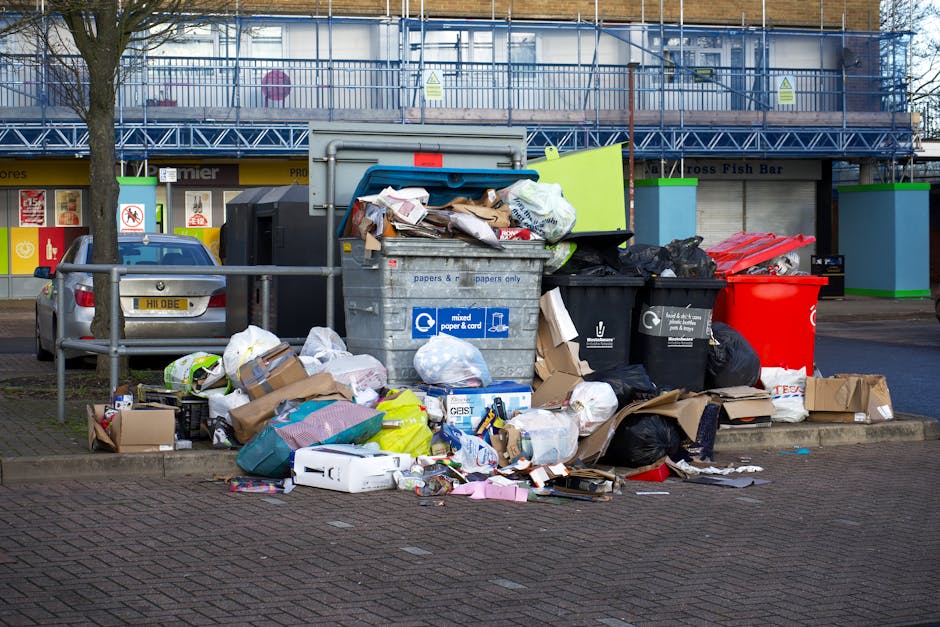
If you live, work, commute, or manage property near Finchley Central station, rubbish has a way of becoming urgent at the worst possible moment. A flat clear-out before a move, builders' debris after a kitchen refit, an old sofa blocking the hallway, or a stack of bags that simply won't fit on the train home - it all adds up fast. This Finchley Central station rubbish removal guide breaks down what to do, how the process usually works, what to check before booking, and how to avoid the easy mistakes that cost time and money.
To be fair, most people don't think about rubbish removal until they have a problem staring at them from the corner of the room. The good news is that once you understand the options, it becomes much simpler. You can decide what needs to be removed, what can be recycled, what needs extra care, and which type of collection fits your situation best. That is the aim here: clear, practical advice without the fluff.
Why Finchley Central station rubbish removal guide Matters
Finchley Central is a busy, lived-in part of North London. That matters because rubbish removal here is rarely just about "getting rid of junk". It is about timing, access, neighbours, parking, shared entrances, and the practical reality of moving bulky waste through streets that can already feel tight on a busy day. If you're near the station, you may be dealing with a flat above a shop, a terrace with narrow front access, or a property where kerb space is limited. All of that changes how removal should be planned.
There is also a strong trust element. You want someone who knows what they are doing, disposes of waste properly, and doesn't leave you guessing. The last thing anyone wants is a van turning up late, no clear price, and a pile of rubbish still sitting outside by dusk. In other words, the guide matters because bad planning shows immediately.
For local readers, there is a wider context too. Finchley has a mixture of family homes, rented flats, older properties, and commercial spaces, so waste needs vary a lot. One week it may be a household declutter. The next, a landlord clearance. The week after that, building waste from a renovation. If you understand the moving parts, you can make a better decision very quickly.
If you are also getting to know the area itself, it can help to read more about local living and housing patterns in a local's guide to Finchley and buying property in Finchley. Both give useful context on the kind of homes and lifestyles that often create different clearance needs.
How Finchley Central station rubbish removal guide Works
At its core, rubbish removal is a managed collection and disposal service. You identify the waste, a provider estimates the volume and type, and a team removes it from the property or access point. Simple enough in theory. In practice, the details matter.
Most local collections start with a quick description or photo assessment. The provider will want to know roughly how much there is, what it consists of, and whether it includes awkward items such as mattresses, white goods, heavy furniture, or building rubble. That is because different waste streams need different handling and sometimes different vehicles or labour levels.
Typical jobs near Finchley Central may include:
- household clearances and unwanted clutter
- single bulky items like sofas, wardrobes, or appliances
- post-renovation builders' waste
- office or shop rubbish
- garden waste after pruning or landscaping
- end-of-tenancy and landlord clearances
Once the team arrives, the work usually follows a neat rhythm: assess access, confirm the load, remove items safely, sweep up if needed, and sort materials for reuse, recycling, or disposal. A good operator will keep the process straightforward. No drama, no mystery. Just a clean finish and a clear understanding of what happened to the waste.
It is worth noting that a lot of confusion comes from people mixing up "rubbish removal", "waste collection", and "skip hire". They are related, but not the same. Skip hire often suits longer projects where you fill a container yourself. Man-and-van style rubbish removal is usually better when you want fast lifting, less disruption, and help with heavy items. That difference becomes important if you're dealing with stairs, a tight front garden, or limited parking near the station.
Key Benefits and Practical Advantages
The obvious benefit is space. A clear room, a clean hallway, a usable garden - these things change how a property feels. But there are several other advantages that matter just as much.
First, speed. If you need waste cleared before a tenancy check-out, a delivery, a viewing, or a builder arrives, timing is everything. A well-planned collection can be arranged quickly and completed in one visit.
Second, convenience. You do not need to hire a van, recruit friends, or spend a Saturday dragging broken furniture across the pavement. Let's face it, nobody dreams of doing that on a rainy North London morning.
Third, safer handling. Some items are awkward or hazardous in a very ordinary way: sharp edges, broken glass, heavy lifting, damp materials, or dirty insulation dust. A professional team reduces the chance of injury and damage to walls, lifts, or stairwells.
Fourth, better sorting. A conscientious clearance service will separate recyclable materials where possible and avoid treating everything as general waste. That supports better environmental practice and, in many cases, a cleaner overall job.
Fifth, less stress. That sounds soft, but it matters. Rubbish builds mental clutter as well as physical clutter. When a room is finally emptied, you can think more clearly. You can measure the space again. You can move on.
For people who care about disposal standards, it is sensible to review the company's recycling and sustainability approach before booking. And if you want reassurance around who is handling the work, the page on waste carrier licence and compliance is the sort of trust detail that should never be ignored.
Who This Is For and When It Makes Sense
This guide is for anyone near Finchley Central who needs rubbish moved properly, not just "taken away somehow". That includes homeowners, tenants, landlords, estate agents, shop owners, and tradespeople. If you are asking whether a removal service is worth it, the answer usually depends on three things: volume, access, and urgency.
Here are a few real-world examples.
- Tenants moving out: You may need a fast domestic clearance for left-behind furniture, broken small appliances, and bags of general clutter.
- Homeowners renovating: Builders' waste, old units, ripped-out flooring, and packaging can pile up quickly.
- Landlords between lets: A property can need a full reset after a difficult tenancy or an accumulation of unwanted items.
- Local businesses: Office chairs, storage rubbish, packaging, and old displays often need prompt removal to keep the premises usable.
- Garden projects: Cuttings, branches, soil, and broken planters can become more awkward than they first appear.
Sometimes the answer is simple: if the waste is too much for normal bins, too bulky for a car, or too time-consuming to shift yourself, professional removal starts making sense. And if you have a deadline, that tips the balance even more.
If your situation is more specific, it helps to look at the type of waste you're dealing with. A sofa removal is not the same as clearing a building site. A fridge is not the same as pruning a garden. That is why dedicated pages such as furniture removal, builders' waste removal, garden waste removal, and white goods and appliance disposal can be useful next steps.
Step-by-Step Guidance
Here is a practical way to handle rubbish removal near Finchley Central without turning it into a stressful half-day job.
- Sort the waste by type. Group furniture, general rubbish, garden waste, electrical items, and construction debris separately if you can.
- Check access. Note stairs, lift access, parking limitations, narrow hallways, or any loading restrictions. A quick photo can save a lot of back-and-forth.
- Remove obvious hazards. Sharp metal, broken glass, loose nails, and heavy items should be identified early. Don't wait until the team is at the door.
- Ask for a clear quote. A good quote should explain what is included, what may cost extra, and whether labour, loading, and disposal are covered.
- Confirm the collection time. If you have neighbours, building managers, or tenants involved, timing matters more than people think.
- Prepare the items. Bag loose waste, empty drawers if requested, and make sure the team can access the load without delay.
- Walk through the job on arrival. A quick final check helps avoid confusion. This is the moment to point out anything easy to miss.
- Check the area after removal. Make sure the space is left tidy enough for its next use.
One small tip that sounds obvious but gets forgotten: if you are clearing a flat or shop near the station, take a minute to look at the route from the waste pile to the vehicle. That route often determines whether the job feels smooth or slightly chaotic. A few obstacles moved in advance can make all the difference.
Expert Tips for Better Results
There are a few practical habits that make rubbish removal much easier, especially in a busy local area.
Take photos before you book. Not glamorous, but extremely useful. Images help the provider understand the volume, access, and item type. It reduces surprises and can make quotes more accurate.
Be specific about mixed loads. Mixed waste often needs more careful handling than one-category loads. Say if there is a bit of everything. There usually is.
Choose the right time of day. Around station areas, traffic, parking pressure, and pedestrian flow can vary a lot. Early slots often work well for collections because access is calmer and neighbours are less disrupted.
Separate reusable items. If something can be donated, sold, or reused elsewhere, pull it out first. A removal team can only work with what remains, and a little pre-sorting can save cost and waste.
Keep paperwork or item lists handy. For landlords, commercial clients, or builders, a simple list helps when multiple people are involved. It avoids the classic "I thought that was being collected too" moment. Happens more than you'd think.
Ask about disposal routes. You do not need every operational detail, but you should know whether the company aims to recycle wherever possible and whether it handles special items separately.
One more thing: if the property is near a shared entrance, mention it. Shared spaces and communal stairwells can change everything. A tiny detail to you, a huge detail to the crew.
Common Mistakes to Avoid
A lot of rubbish removal problems are preventable. Here are the ones people run into most often.
- Booking without checking access. If the team cannot park sensibly or reach the waste quickly, the job may take longer than expected.
- Assuming all waste is treated the same. Builders' rubble, electricals, and garden cuttings are not interchangeable.
- Leaving heavy items until the last minute. Large wardrobes, fridges, and mattresses can become the main headache if they are not planned for early.
- Choosing purely on price. Cheap is tempting. Of course it is. But unclear pricing, poor communication, or weak compliance can create bigger costs later.
- Forgetting neighbours and shared spaces. A messy hallway or blocked pavement creates avoidable friction, especially in residential buildings.
- Not asking what happens to the waste. Responsible disposal is part of the service, not an optional extra.
A small, human mistake also crops up a lot: people underestimate how much "stuff" they actually have. One cupboard becomes three cupboards. A loft becomes half a van. It's normal. That is why a realistic assessment is better than a hopeful guess.
Tools, Resources and Recommendations
You do not need specialist equipment for most domestic jobs, but a few simple tools can make the process smoother.
- Strong bin bags or rubble sacks for loose waste and small broken materials
- Labels or tape to mark what stays and what goes
- Gloves if you are sorting through dusty or sharp items
- Basic measuring tape if you need to estimate bulky furniture size
- Phone photos to share with the provider before collection
- A simple item checklist for clearances involving several rooms
For readers comparing service choices, the broader services overview can help you see the difference between domestic, commercial, and specialist waste jobs. If you are planning a larger clean-out, the house clearance page is also worth a look.
And if your priority is budget planning, the pricing and quotes page gives a practical starting point for understanding how estimates are usually handled. Not every job is identical, naturally, but good pricing should still feel transparent.
Law, Compliance, Standards, or Best Practice
Waste removal in the UK is not something to treat casually. You do not need to become a compliance expert overnight, but you should understand the basics. A responsible carrier should be able to show that they are licensed or otherwise properly authorised to carry waste, and they should handle disposal in line with accepted standards.
As a customer, the safest habit is straightforward: ask who is taking the waste, how it will be handled, and whether the company follows recognised disposal and recycling practices. That is not being awkward. It is sensible. Honestly, it is the sort of question you should expect a good operator to answer clearly.
Best practice also includes:
- clear, up-front communication about what is included
- careful lifting and safe movement of heavy items
- respect for shared property and access routes
- sorting materials where practical
- proper handling of electrical items and awkward loads
For service trust and operational transparency, it can be helpful to read the company's pages on insurance and safety, about us, terms and conditions, and privacy policy. If you care about ethical operations beyond waste itself, the modern slavery statement also signals broader accountability.
One practical note: if you are unsure whether an item is special waste, hazardous, or just awkward, say so before collection. It is much better to clarify early than to leave everyone guessing beside the van.
Options, Methods, or Comparison Table
There is no single "best" rubbish removal method. The right option depends on what you are clearing and how quickly you need it gone. Here is a simple comparison.
| Method | Best for | Advantages | Watch-outs |
|---|---|---|---|
| Man-and-van rubbish removal | Quick clearances, bulky items, mixed loads | Fast, hands-on, minimal effort for the customer | Needs good volume estimates and clear access |
| Skip hire | Longer projects, ongoing DIY, repeated filling | You load at your own pace, useful for renovations | Needs space, permits may be relevant, items stay on site |
| DIY tip runs | Very small amounts of waste | Can seem cheaper upfront | Time-consuming, tiring, and easy to underestimate costs |
| Specialist item disposal | Appliances, heavy furniture, particular waste types | More suitable for awkward or regulated items | Requires clarity on item condition and handling |
For a lot of Finchley Central jobs, the first option is the most practical because it balances speed with convenience. If you're clearing a flat before a move, for example, you usually want the load gone, the corridor clear, and the day back under control. That is the real value.
Case Study or Real-World Example
Picture a typical weekday morning near Finchley Central. A couple is moving out of a first-floor flat. They have a broken sofa, an old TV unit, a mattress, several bin bags, and a few leftover boxes from the move. Nothing dramatic, just a lot of awkward items that will not fit neatly into normal waste arrangements.
They take a few photos the night before, note that the staircase is narrow, and mention that parking near the front can be tight. That bit of detail saves time immediately. The collection team knows what to expect, brings the right labour, and plans the lift route before arriving.
On the day, the removal is handled in one tidy visit. The bulky items are taken first, then the smaller bags, then a quick sweep where the furniture had been. No endless back-and-forth. No half-cleared room lingering for days. The couple can hand back the keys that afternoon with much less stress than expected. Small win, but a real one.
That kind of job is common, and it shows why local knowledge matters. A service that understands property layouts, parking pressure, and station-area access will usually feel smoother from the outset. Not magic. Just experience.
Practical Checklist
Use this before booking your collection.
- Identify the main waste types: furniture, garden waste, builders' rubble, appliances, general rubbish
- Estimate how much space the waste takes up
- Take clear photos if the job is mixed or bulky
- Check access, parking, stairs, and any shared entrances
- Separate anything reusable or keep-worthy
- Confirm the timing and collection window
- Ask about recycling and disposal handling
- Make sure the provider can explain pricing clearly
- Remove obvious hazards and fragile items where possible
- Keep contact details handy in case the crew needs directions or access help
If you tick most of those boxes, the job will usually feel calmer straight away. Simple, but effective.
Get a free quote today and see how much you can save.
Conclusion
Finchley Central station rubbish removal is at its best when it feels almost boring - clear quote, tidy arrival, fast loading, sensible disposal, and no nasty surprises. That is what people actually want. Not fancy promises. Just a clean, efficient result that fits a busy North London life.
If you remember nothing else, remember this: identify the waste properly, check access early, and choose a provider that is transparent about compliance, safety, and pricing. Do that, and most jobs become far easier than they first look. A messy room can become manageable again, and sometimes that is enough to reset the whole day.
And if you are standing there on a Tuesday evening wondering where to start, start small. One pile, one room, one plan. The rest follows.