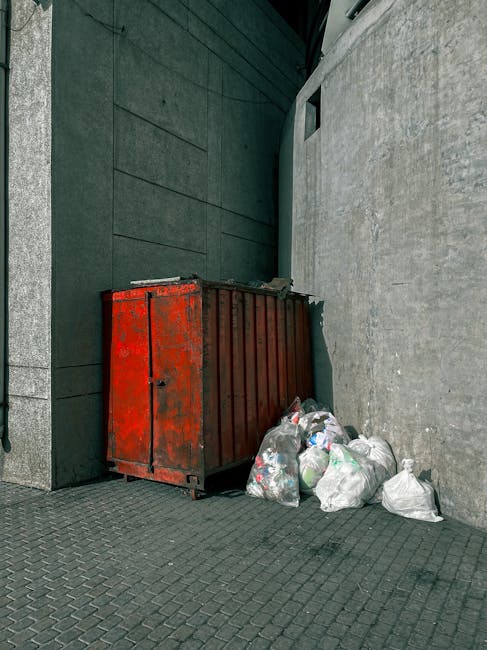
Rubbish removal for East Finchley streets and terraces
Posted on 18/06/2026
Rubbish removal for East Finchley streets and terraces: a practical local guide
Terraced streets in East Finchley have their own rhythm. There are front steps, shared pavements, narrow access points, parked cars, and the occasional pile-up of old furniture that somehow appeared overnight. If you are dealing with Rubbish removal for East Finchley streets and terraces, you probably need more than a generic "put it out and hope for the best" approach. You need a plan that respects neighbours, keeps the pavement clear, and gets the job done without turning a tidy street into a small-scale obstacle course.
This guide breaks down how rubbish clearance works in terrace settings, what makes East Finchley streets slightly trickier than a driveway job, and how to choose a sensible, compliant, and cost-aware solution. We will cover the practical stuff too: what to do with mixed waste, how to avoid access problems, when to book a clearance team, and what to check before anyone lifts a single bag. Simple, but not simplistic.
Why Rubbish removal for East Finchley streets and terraces Matters
Terraced housing looks charming from the outside, and East Finchley has plenty of that lived-in London character people love. But the same features that make a terrace attractive also make waste removal harder. You often have limited frontage, shared kerb space, tight stairways, and neighbours who would quite reasonably prefer not to step around a broken wardrobe for three days. That is the real reason this topic matters.
Good rubbish removal is not just about tidiness. It affects access, safety, and how the whole street feels. On a practical level, misplaced waste can block pavements, create tripping hazards, invite fly-tipping, and make it harder for residents, delivery drivers, and carers to move safely. On a social level, it can create unnecessary tension between neighbours. Nobody wants to be that house, frankly.
In East Finchley, where many homes sit close to the pavement and front doors open directly onto busy residential streets, waste needs to be managed with a bit of thought. A well-planned clearance helps keep the street clear, reduces stress on moving day, and gives you a cleaner reset after a clear-out, renovation, tenancy change, or garden project.
Key point: for terraces, the best rubbish removal is usually the one that is fast, discreet, safe, and properly managed from start to finish.
How Rubbish removal for East Finchley streets and terraces Works
The process is usually straightforward, but the details matter. Most local clearances follow a familiar pattern: identify the waste, assess access, choose the right collection method, and remove everything in one visit or a small number of planned visits.
For terrace properties, the first question is access. Can a team reach the waste without blocking the whole pavement? Is there a side return, a basement route, or a front step that makes lifting awkward? Are there bulky items that need two-person handling? These are the sorts of things that affect timing and cost.
Here is the usual flow:
- Initial assessment. You estimate the volume and type of waste, from general household clutter to bulky items or light builders' debris.
- Access check. You consider stairs, door widths, parking, and whether items can be carried safely without damaging walls, railings, or flooring.
- Quotation or booking. A clearance provider may ask for photos, item lists, or a quick description so they can quote sensibly.
- Collection day. The team arrives, loads waste, sorts what can be reused or recycled, and removes the rubbish in a compliant vehicle.
- Final sweep. Good teams leave the area clean and check that no loose debris has been left behind.
For many terrace jobs, the most efficient approach is a same-day or next-day collection. That is especially helpful when you are between tenants, moving house, or trying to finish a project before the weekend. If the waste includes furniture or appliances, you may want to coordinate that with a dedicated service such as furniture removal in Finchley or white goods and appliance disposal, depending on what you need taken away.
There is also a difference between a simple domestic tidy-up and a more complex load. Builders' rubble, plasterboard, broken tiles, soil, and similar materials behave differently from bags of loft clutter. If your terrace project includes repairs or redecorating, builders waste removal may be the more appropriate route.
Key Benefits and Practical Advantages
The obvious benefit is that the rubbish goes away. But in terrace streets, the deeper advantages are often about ease and calm.
- Less disruption to neighbours. A tidy, well-timed clearance reduces complaints and avoids shared access issues.
- Safer walkways. Clear pavements and front steps make it easier for residents and visitors to move around.
- Faster turnaround. Instead of hiring a van, finding help, and making multiple trips, the waste is handled in one coordinated visit.
- Better sorting. Reputable teams separate recyclable materials where possible, which supports better waste outcomes.
- Less physical strain. This matters more than people admit. Carrying a sofa down two flights of stairs sounds manageable until you are halfway down and regretting every life choice.
- More presentable property. Helpful for lettings, sales, post-renovation resets, or just reclaiming a front room, loft, or garden.
One underappreciated benefit is timing. Terrace streets often have tight parking and busy daily routines. A professional clearance can be arranged around your day, which saves you from hauling bags outside in the rain or leaving items outside overnight. In London weather, that last part rarely ends well.
If you want to understand the broader services available, it may help to scan the services overview and, for domestic jobs, the details on domestic waste collection in Finchley.
Who This Is For and When It Makes Sense
This kind of rubbish removal is useful for a wide mix of people. Some are dealing with a one-off clear-out; others need a repeatable solution because terrace living simply produces awkward waste from time to time.
- Homeowners clearing lofts, spare rooms, sheds, or front gardens.
- Landlords between tenancies, especially where items have been left behind.
- Tenants needing to clear bulky waste before checkout day.
- Families reorganising after a move, refurbishment, or life change.
- Local businesses operating from terrace-fronted premises or mixed-use buildings.
- Renovators and DIYers who have generated awkward waste too bulky for ordinary bins.
It makes the most sense when you have one of these situations:
- you cannot fit the waste into standard household collections;
- the items are too heavy or bulky to move safely on your own;
- you need the street or frontage cleared quickly;
- there is mixed waste that would take too long to sort yourself;
- the property layout makes DIY removal more trouble than it is worth.
For larger domestic clearances, a broader service such as house clearance in Finchley may be the better fit. And if the job is more of a spring clear-out than a structural one, you may only need a lighter domestic collection. Different problems, different tools. Fairly obvious, but easy to forget when the hallway is full of boxes.
Step-by-Step Guidance
If you want the smoothest possible experience, a little preparation goes a long way. Here is a practical way to handle rubbish removal on East Finchley terraces without making it harder than it needs to be.
- Sort the waste into rough categories. Separate furniture, general household rubbish, electricals, garden waste, and building debris where possible. You do not need museum-level order, just enough structure to avoid confusion.
- Identify anything special. Items like fridges, freezers, paint tins, mattresses, or broken tiles may need specific handling.
- Check access. Measure awkward doorways, note stair turns, and think about where the crew can park without causing a nuisance.
- Take a few clear photos. Photos help produce a more accurate estimate and reduce surprises on the day.
- Choose a suitable collection time. Early slots can help avoid resident parking pressure and foot traffic.
- Move fragile or valuable items out of the way. A small bit of prep prevents accidental knocks.
- Confirm what is included. Ask whether lifting from inside the property, sweeping up, recycling separation, or disposal fees are part of the service.
- Keep the route clear. On the day, leave a path from the front door to the load-out point. It sounds basic, but it saves a lot of faff.
A useful habit is to create a "do not move" zone for items staying in the property. I have seen perfectly good lamps almost disappear into a clearance pile because they were standing too close to an old chest of drawers. It happens.
If your job includes mixed recyclables or a strong sustainability preference, have a look at the company's recycling and sustainability approach. It gives you a sense of how sorted materials are handled after collection.
Expert Tips for Better Results
These are the small things that make a big difference in terrace streets.
- Photograph items in daylight. Morning or early afternoon photos are usually clearer, especially for cupboards, loft corners, or cluttered basements.
- Group similar items together. A sofa next to a pile of books is fine; a sofa hidden behind ten unrelated bags is less helpful.
- Protect narrow hallways. If you know the route is tight, put down temporary coverings or cardboard where appropriate.
- Move cars if you can. Parking is often the hidden bottleneck on terrace streets.
- Book before the deadline pressure hits. The day before a move-out is when everyone suddenly realises they own more stuff than expected.
- Ask about handling limits. If a loft item is too heavy or unsafe to lift, it is better to know early than discover it on arrival.
Another quiet tip: keep bins and recycling boxes separate from clearance piles. It avoids confusion and helps the crew work faster. Small detail, yes, but it keeps the whole process calm.
If you are comparing providers, it is sensible to review pricing and quotes rather than focusing only on the headline figure. Clarity tends to beat cheap-and-messy every time.
Common Mistakes to Avoid
Most problems in terrace clearances are preventable. They usually come from rushing, underestimating access issues, or assuming the waste can be left wherever it happens to fit. Spoiler: it rarely can.
- Leaving waste on the pavement too early. This can create obstruction issues and makes the street look neglected.
- Ignoring parking access. If a vehicle cannot get close enough, the job may take longer or cost more than expected.
- Mixing hazardous or specialist items into general waste. This is one to take seriously. Separate anything that needs special handling.
- Forgetting the upstairs item. A lot of the time, the hard part is not the removal itself but getting the item to the door.
- Assuming every service is the same. Some teams handle only light loadouts; others take on more complex mixed waste. Ask first.
- Not checking credentials. You want a provider that is transparent about compliance and disposal practices.
A slightly embarrassing but common one is underestimating how much waste there really is. Two bags become six. A chair becomes a chair plus a broken shelf. It is almost a running joke in clearance work. Almost.
Tools, Resources and Recommendations
You do not need specialist gear to prepare for rubbish removal, but a few everyday tools help the process run smoothly.
- Marker labels or masking tape to mark items you want kept.
- Strong bin bags or rubble sacks for loose waste and lighter debris.
- Gloves for sorting sharp or dusty items.
- Measuring tape for checking whether awkward furniture will fit through the route.
- A phone camera for quick photos and collection updates.
- Basic dust sheets if you are moving items through a finished hallway.
For people who want a more complete picture of the company before booking, it can be useful to review the about us page and the insurance and safety information. Those pages help you understand how the business works and what measures are in place to protect both people and property.
If your waste is more appliance-heavy, the dedicated appliance disposal service can be especially useful. White goods are awkward. Heavy, bulky, and not at all interested in being carried down a terrace staircase.
Law, Compliance, Standards and Best Practice
Waste clearance is not just a practical task; it is also a regulated activity. You do not need to become an expert in waste law to book a clearance, but you should expect a responsible provider to follow proper standards and explain how waste is handled.
In plain English, that means the company should be able to show that it operates as a legitimate waste carrier, handles waste responsibly, and disposes of it through appropriate channels. It should also be able to discuss recycling, safety, and duty of care in a sensible way without hiding behind jargon.
For terrace streets, best practice usually includes:
- keeping pavements and shared spaces clear for residents and pedestrians;
- avoiding unnecessary noise or disruption at awkward hours;
- loading waste safely so it does not spill from the vehicle;
- sorting reusable and recyclable material where practical;
- protecting the property during removal;
- providing transparent paperwork or booking details where relevant.
If you want to check a provider's approach, the page on waste carrier licence and compliance is a sensible place to start. It is also worth reviewing terms and conditions so you know what is included, what is excluded, and what happens if access turns out to be more complicated than expected.
There are also practical trust signals that matter. Secure payment handling, clear privacy information, and accessible website content all suggest a company takes its responsibilities seriously. Those details may feel minor, but they usually reflect a broader culture of care. You notice that sort of thing after enough jobs.
Options, Methods, or Comparison Table
There are several ways to deal with terrace rubbish, and the right choice depends on the size of the job, your time, and how much lifting you want to do yourself.
| Method | Best for | Pros | Trade-offs |
|---|---|---|---|
| DIY trips to disposal points | Small, light loads | Low cash cost; flexible timing | Time-consuming; parking, lifting, and vehicle access can be annoying |
| Skip hire | Longer renovations and bigger volumes | Good for ongoing projects; on-site storage | Needs space; may be awkward on narrow terrace streets; permits can be relevant |
| Professional rubbish removal | Bulky, mixed, or urgent clearances | Fast; labour included; less stress; one visit can solve a lot | Usually costlier than doing it yourself, but often better value overall |
| Specialist removal for furniture or appliances | Sofas, beds, fridges, washing machines | Proper handling of awkward heavy items | May need separate booking if mixed with other waste |
For terrace properties, professional removal often wins because access is tight and the waste is mixed. If you only have a few bags, DIY may still be fine. If the hallway looks like a storage unit exploded, bring in help.
Case Study or Real-World Example
A typical East Finchley terrace scenario might look like this: a family has just finished redecorating the upstairs bedrooms and wants to clear old wardrobes, broken bedside tables, packaging, and a few bags of loft clutter. The front garden is small, the pavement is narrow, and there is a car parked close to the kerb. Not impossible, but not effortless either.
In that kind of job, the most efficient approach is to sort the waste into visible groups before the team arrives. Furniture in one area. Loose bags in another. Any electrical items separated. The clearance team can then work from the front room down to the street without having to stop and ask what stays and what goes.
The job usually runs more smoothly if the homeowner clears a route through the hall and holds back one or two parking spaces if possible. The difference is noticeable. Instead of a rushed, stop-start afternoon, the collection becomes a clean, single-flow process. Less noise, less stress, less standing around looking at a chest of drawers and wondering how it got so heavy.
That is really the point of well-managed rubbish removal in terrace streets: not just taking things away, but doing it in a way that fits the building, the road, and the people living there.
For readers interested in the neighbourhood itself, it can be helpful to read about the area in a scenic guide to Finchley or explore a broader local perspective in a local's view of Finchley.
Practical Checklist
Use this before collection day. It saves time, and a bit of sanity too.
- Have I separated bulky items, loose waste, and anything special?
- Do I know which items are staying and which are going?
- Is there a clear path from inside the property to the loading point?
- Have I checked parking or access around the terrace street?
- Have I taken photos of the waste for reference?
- Have I confirmed whether the quote includes lifting from inside?
- Do I know how the provider handles recycling and disposal?
- Have I removed valuables, documents, and anything fragile?
- Is there anything that needs special handling or separate disposal?
- Am I ready for the crew to work without unnecessary obstacles?
Expert summary: if you prepare the access, separate the waste intelligently, and choose a provider that understands terrace logistics, rubbish removal becomes much simpler than most people expect. The hard part is usually the planning, not the lifting.
Get a free quote today and see how much you can save.
Conclusion
Rubbish removal for East Finchley streets and terraces is really about fit. Fit for the street. Fit for the building. Fit for the way people actually live in these homes. When waste is handled well, the whole place feels lighter. The front step is clear, the hallway is usable again, and the street keeps its calm residential character.
If you are clearing out after a move, tackling old furniture, dealing with renovation debris, or just tired of looking at that one pile that has been "temporary" for far too long, the smartest move is usually the one that balances speed, compliance, and respect for the terrace setting. That is what good local rubbish removal should do.
And honestly, once the clutter is gone, the relief is immediate. A bit of fresh air, a clear pavement, and a home that feels like yours again. Simple things, but they matter.